Why Your Post-Emergent Weed Killer Might Not Be Working
September 12, 2026
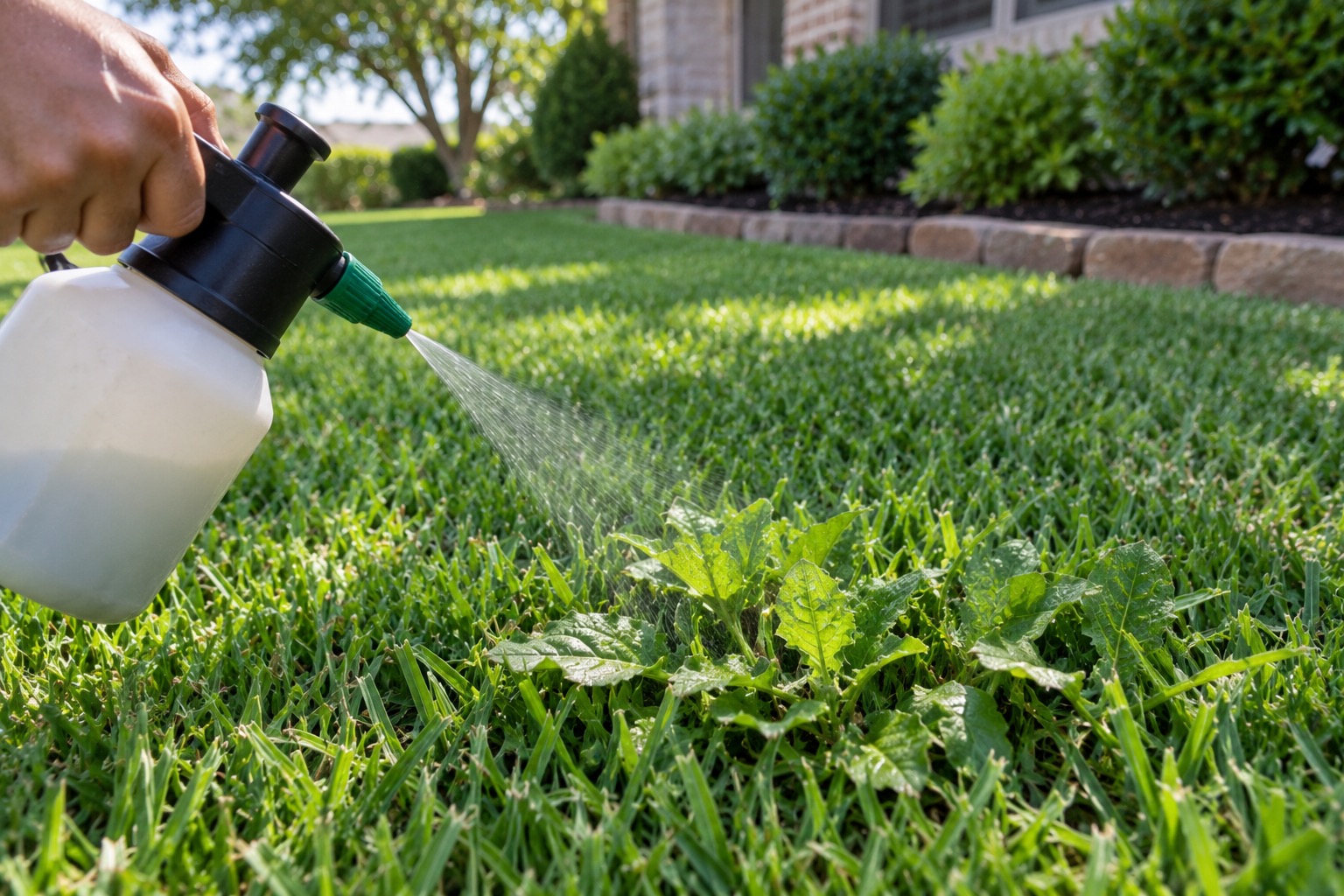
A weed that's still green a week after being sprayed doesn't necessarily mean the product failed. In most cases, something about timing, technique, or the specific weed itself is the actual reason, not the product.
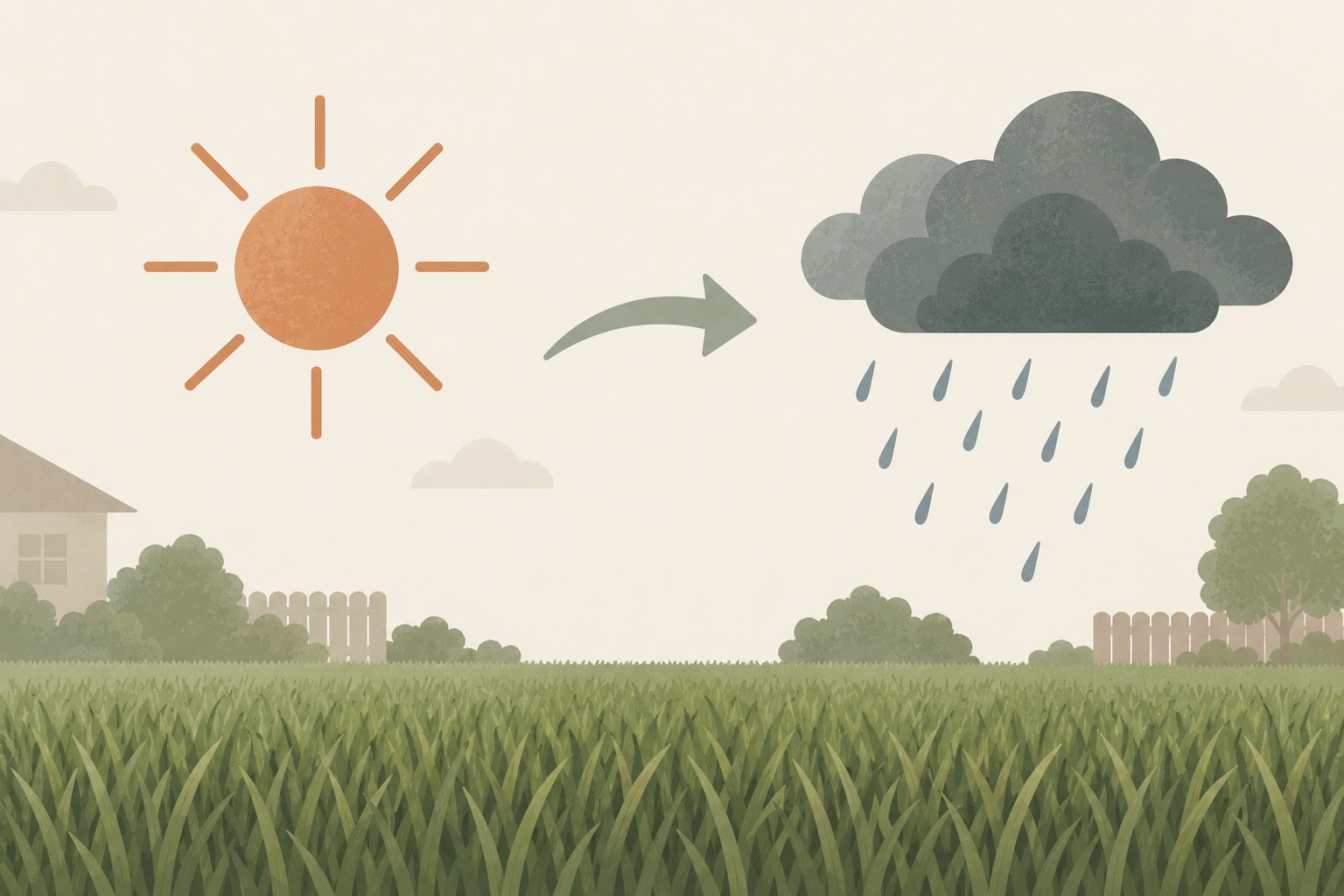
Timing after application matters more than people expect. Most post-emergent herbicides need several hours of dry weather to fully absorb into the weed's leaves. Rain within that window can wash the product off before it has a real chance to work. Checking the forecast before spraying, and picking a stretch of at least a few dry hours afterward, makes a real difference.
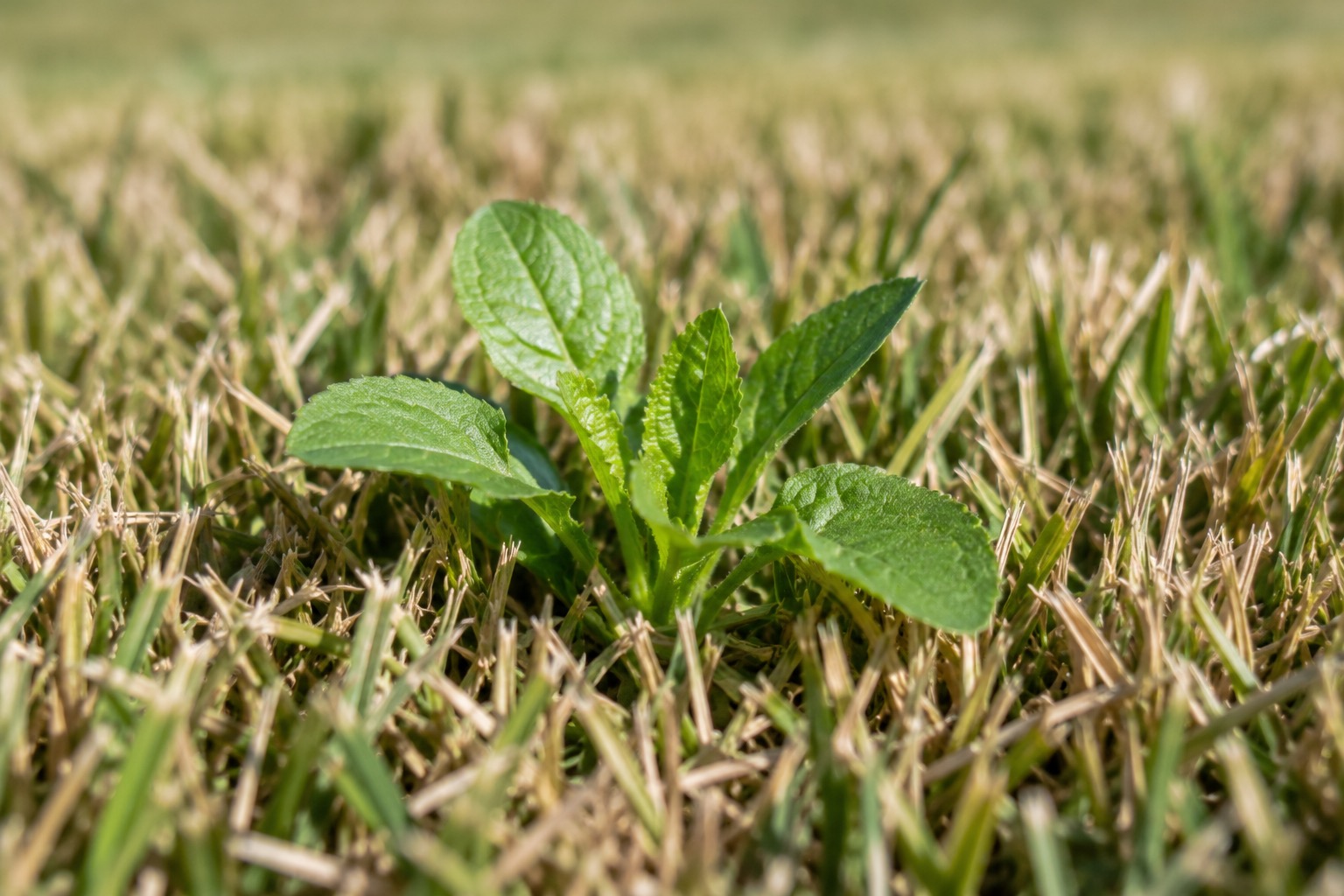
Patience matters too. A treated weed usually doesn't die instantly. It typically takes one to two weeks to visibly wilt and brown, since the herbicide needs time to move through the plant down to the root. Spraying again after just a few days, because nothing looks different yet, usually just means applying twice as much product without giving the first round a real chance.
Coverage is another common gap. Post-emergent products work by contact with the leaf surface. A light, quick spray that only wets part of a weed leaves the untouched portion free to keep growing. This is especially true for weeds with a lot of leaf surface, or a sprawling growth pattern, where a quick pass can miss more of the plant than it seems to from a distance.
Not every weed responds the same way to the same product. Some broadleaf herbicides work well on certain weed types but do very little against others. Grassy weeds especially have a different leaf structure than broadleaf plants. A product that worked well on one weed in a lawn doesn't automatically work on a different one growing nearby.
St. Augustine grass adds one more layer worth checking. Some post-emergent products that are safe on other grass types can actually damage St. Augustine if used incorrectly or at the wrong concentration. Confirming a product is specifically labeled safe for St. Augustine is worth doing before assuming a lack of results means the product needs to be stronger.
If a weed genuinely isn't responding after a proper application, with correct timing, full coverage, and enough time passed, that's when it's worth reconsidering the product itself. But in most cases, one of these earlier factors is the real explanation.
Why is my post-emergent weed killer not working?
The most common reasons are rain washing off the product before it absorbs, not waiting long enough to see results, incomplete coverage on the weed's leaves, or using a product that isn't well-suited to that specific weed type. Genuine product failure is less common than these process issues.
Should I spray again if the weed still looks fine after a few days?
Not yet. Give it one to two weeks. The herbicide needs time to move through the plant down to the root. Spraying again too soon just means using extra product. It doesn't give the first round a real chance to work.
Why does a weed only partly die after I spray it?
Incomplete coverage is the usual cause. Post-emergent products work by contact with the leaf surface. A light or quick spray only wets part of the weed. The untouched part keeps growing. This happens most with weeds that have a lot of leaf surface or spread out close to the ground. A full, even coating gives the product a real chance to work.