Selective vs. Non-Selective Post-Emergent Herbicide: Which One Do You Need?
September 18, 2026
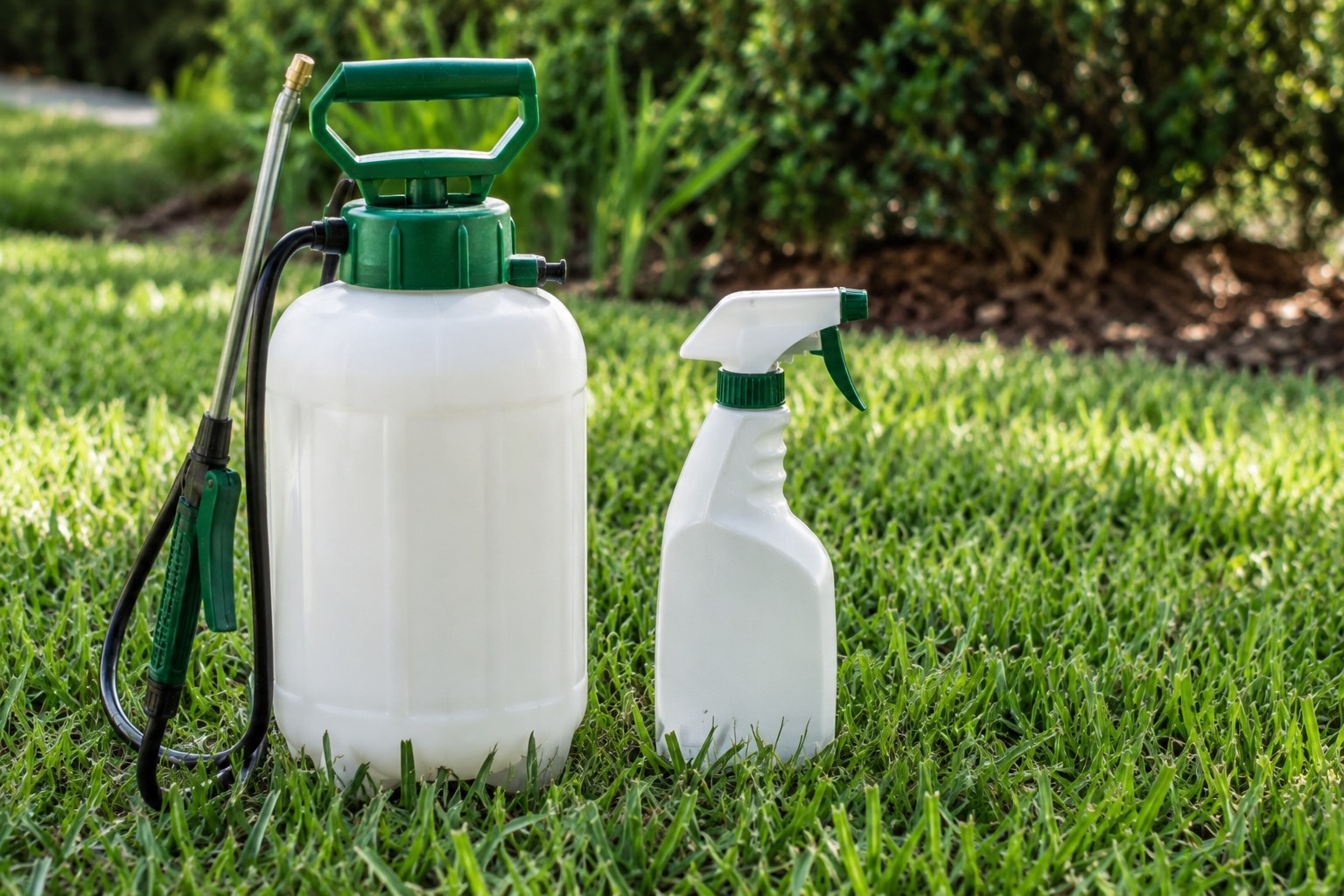
Standing in the lawn care aisle, two words decide everything: selective and non-selective. Pick the wrong one and a product can help your lawn or wipe it out. This mix-up is one of the most common, most damaging mistakes in weed control.
Selective herbicides are built to kill certain plants while leaving others alone. Most lawn weed killers fall into this category. They target broadleaf weeds like clover or dandelions while leaving grass mostly unharmed. This works because broadleaf plants and grass absorb the chemical differently. A product tuned for one type passes through the other with far less effect.
Non-selective herbicides kill almost any plant they touch, grass included. These products can't tell a weed from a blade of St. Augustine. Both get treated the same way. This makes non-selective products useful in specific spots, like a gravel driveway, a fence line, or a patio crack where nothing is meant to grow at all.
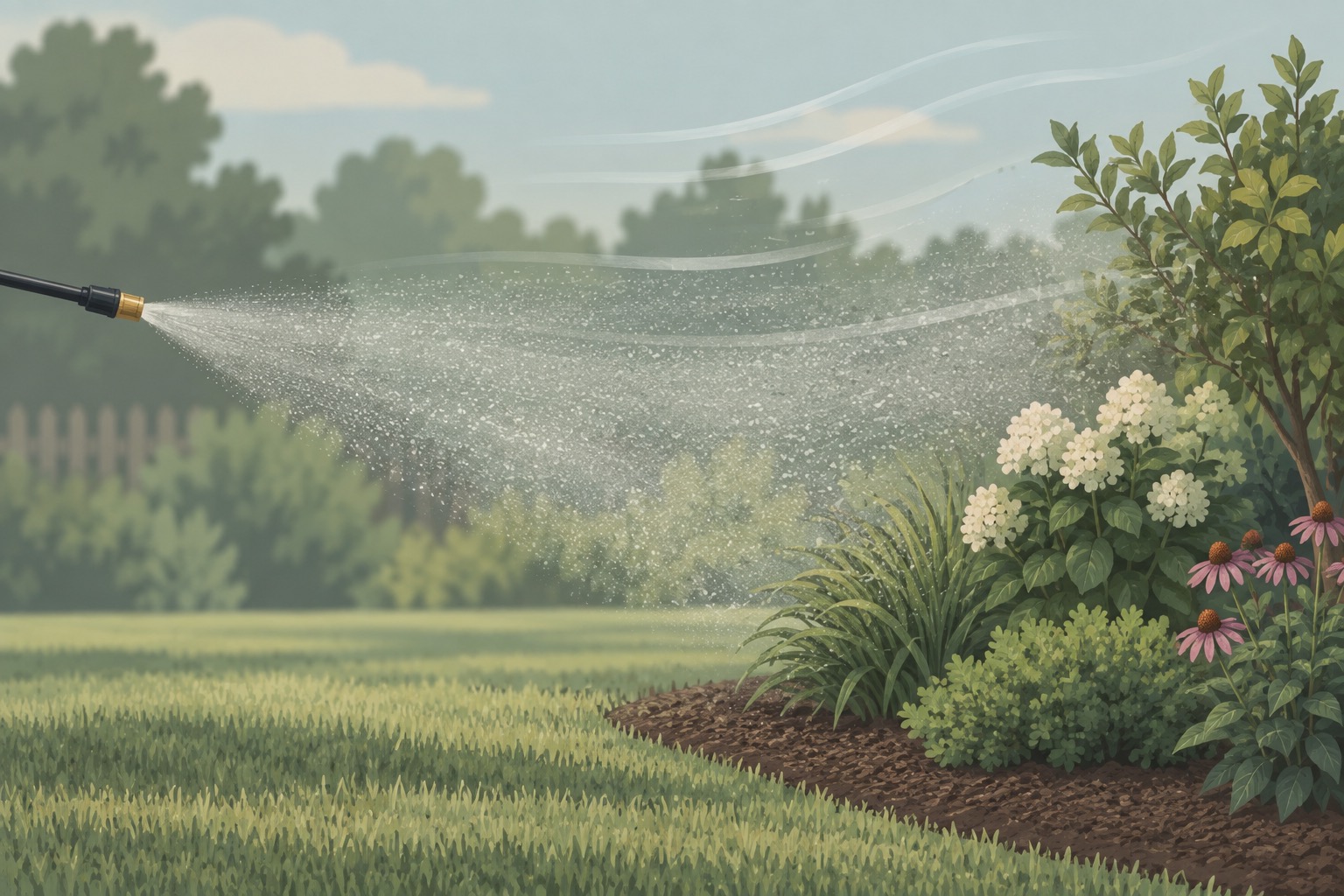
Using a non-selective product on an active lawn, even by accident, causes real damage. Spray drift from a nearby walkway job can land on grass a few feet away. It kills that grass just as easily as it kills the weed it was aimed at. Calm, windless conditions matter more with these products for this reason. There's no room for error once it touches something it wasn't meant to.
Selective products still need some care, even though they're built for use around grass. Most are made for common grass types, but strength and timing still matter. A selective herbicide that's safe on a cool-season grass isn't automatically safe on St. Augustine too. Different grasses handle different active ingredients at different levels.
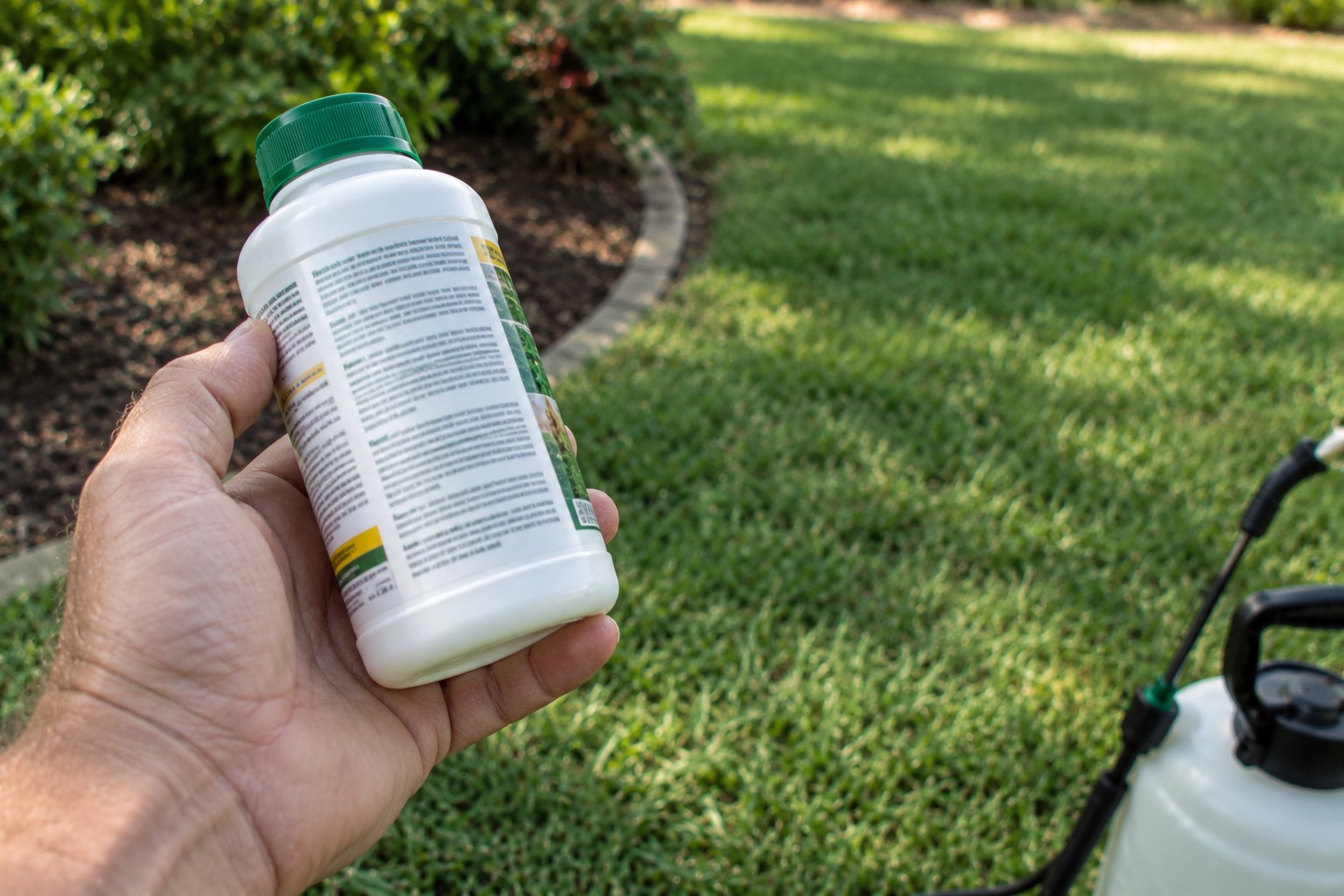
Reading the label matters more than memorizing which category to buy. A label lists exactly which grass types a selective product is safe for. It also lists exactly which weeds it works against. Skip a product that doesn't list St. Augustine by name. A general "lawn safe" claim doesn't always cover every grass type equally.
For most routine lawn weed control, selective herbicide is the right choice. The goal is almost always killing weeds without harming the grass around them. Non-selective products have a real, narrow use case. That case is specifically areas where nothing is meant to survive, not anywhere near a lawn someone wants to keep.
What's the difference between selective and non-selective herbicide?
Selective herbicides target specific plant types, like broadleaf weeds, while leaving grass largely unharmed. Non-selective herbicides kill nearly any plant they touch, including grass. That makes them useful for driveways and gravel areas, but risky near an active lawn.
Can non-selective herbicide accidentally kill my lawn?
Yes. Spray drift from a non-selective product can land on nearby grass, even from a walkway or fence-line job. It kills that grass the same way it kills the intended target. Calm conditions and careful spraying matter most with these products.
Where can I safely use a non-selective herbicide?
In spots where nothing is meant to grow at all, like a gravel driveway, a fence line, or a patio crack. Because these products kill any plant they touch, including grass, they're not a fit for anywhere near an active lawn.