What Happens If You Skip a Scheduled Lawn Visit?
September 11, 2026
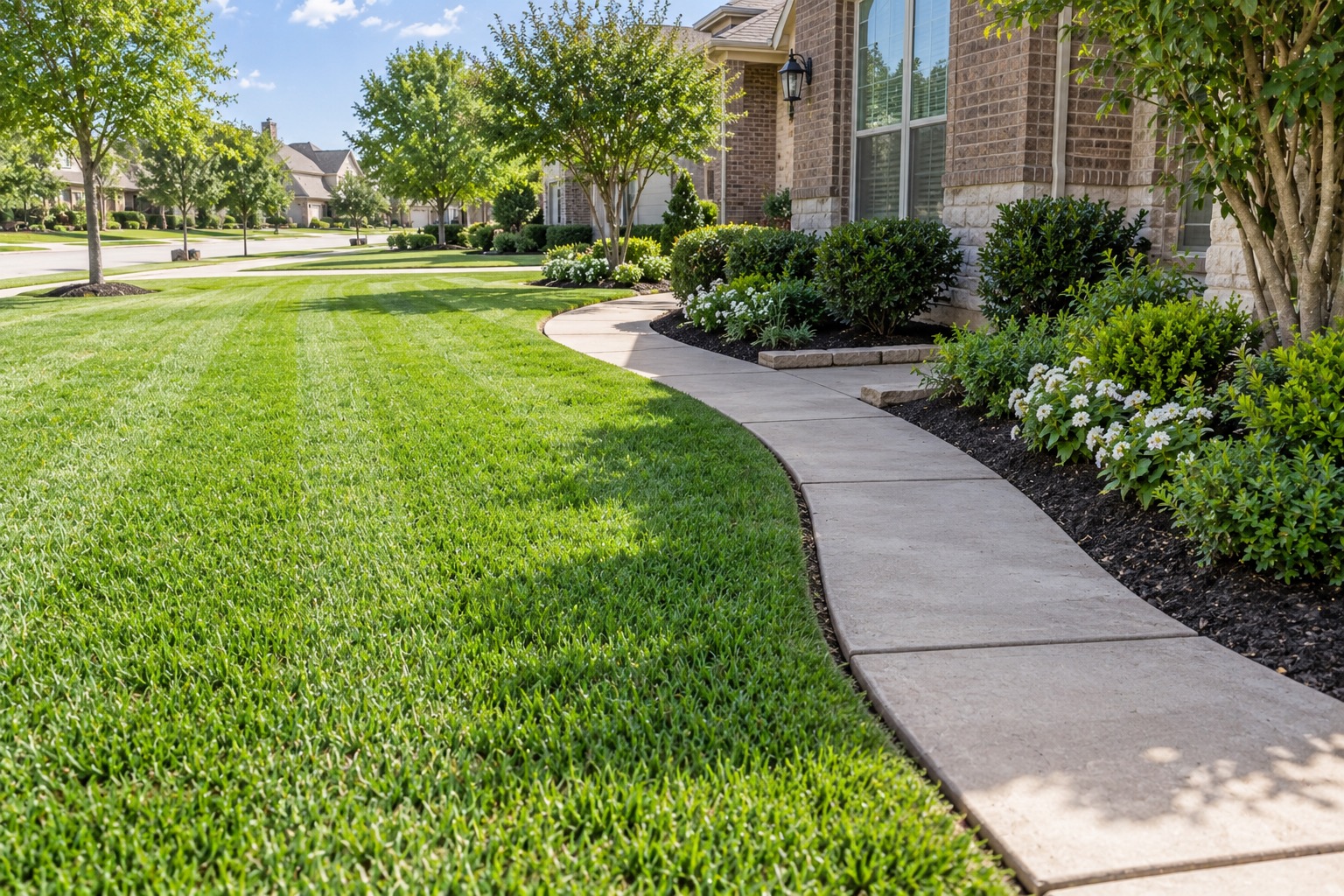
Skipping a scheduled lawn visit doesn't usually cause a real problem. What happens next depends almost entirely on the season. It also depends on how many visits in a row actually get missed.
During peak growing season — Houston's warm-weather months — a single skipped visit is the easiest case to recover from. St. Augustine grass grows fast enough in warm weather that one missed week just means a taller-than-usual lawn by the next visit. The crew mows it, and the yard looks normal again. There's no lasting damage from a single gap during the growing months.
Two or more skipped visits in a row during summer is a different story. Grass that's grown significantly taller than usual takes more than a routine mow to fix. Cutting a very overgrown lawn back down to normal height in one pass can shock it. Removing too much length at once stresses the plant. This is part of why some services charge more for a first cut after a long gap. It genuinely takes more time and care than a routine visit.
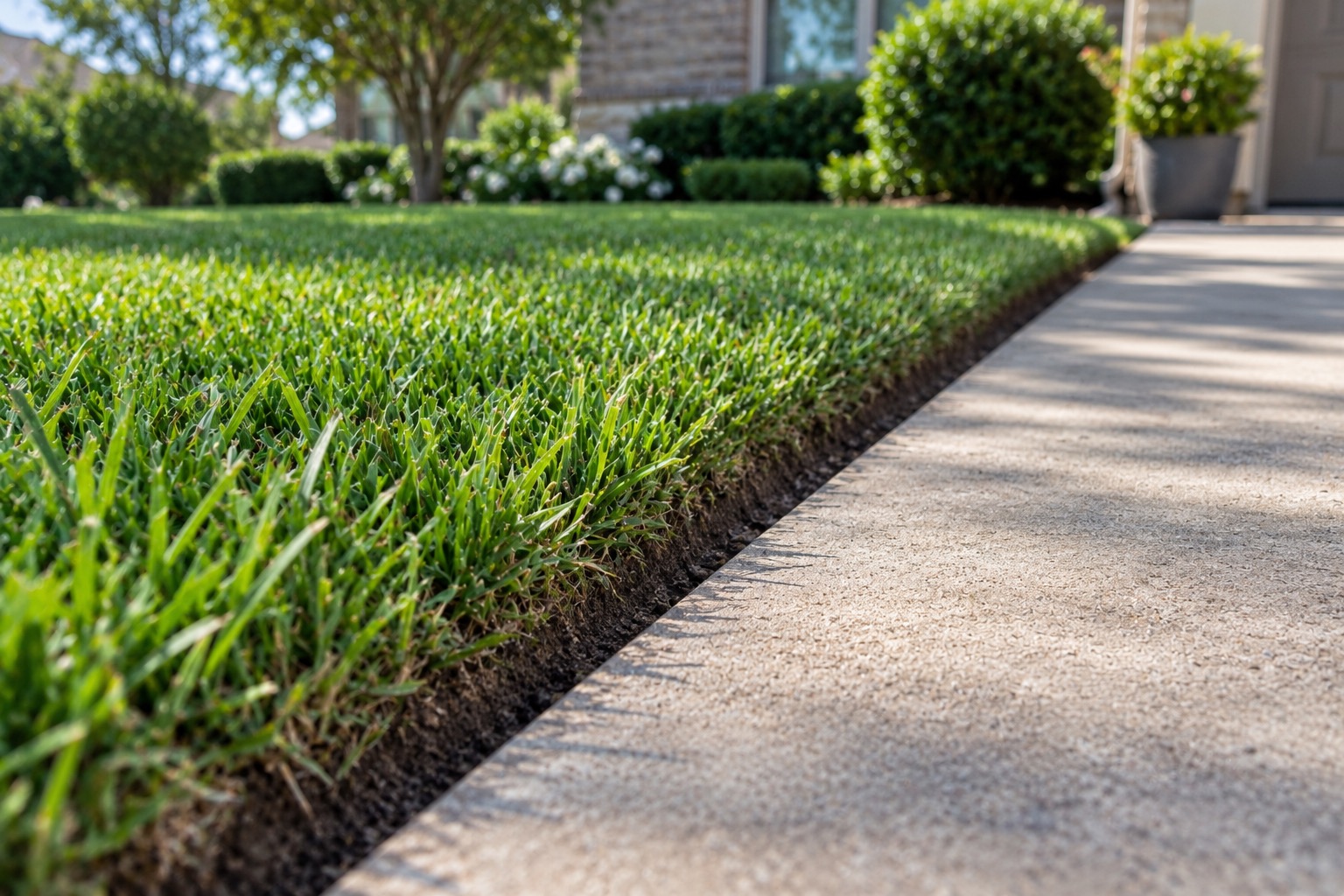
The next scheduled visit after a skipped one usually takes a bit longer than normal. That holds true even without full overgrowth pricing kicking in. Edging takes more time once grass has crept further over a walkway. Blowing off extra clippings from a taller cut adds a few more minutes too. The visit is still the same three steps a crew handles every time — just a slightly longer version of the same routine.
Winter works differently. St. Augustine grows much slower during the coldest stretch of the year. A skipped visit during this stretch usually has little visible effect at all. A lawn on a biweekly winter schedule that misses one visit often looks nearly the same as one that didn't. There's just so little growth happening either way.
Timing within the week matters too, not just the season. A missed visit right before rain can compound the issue, since rain speeds up growth on top of whatever was already unmowed. A missed visit during a dry spell tends to be less noticeable. Growth naturally slows without consistent rainfall, regardless of the schedule.
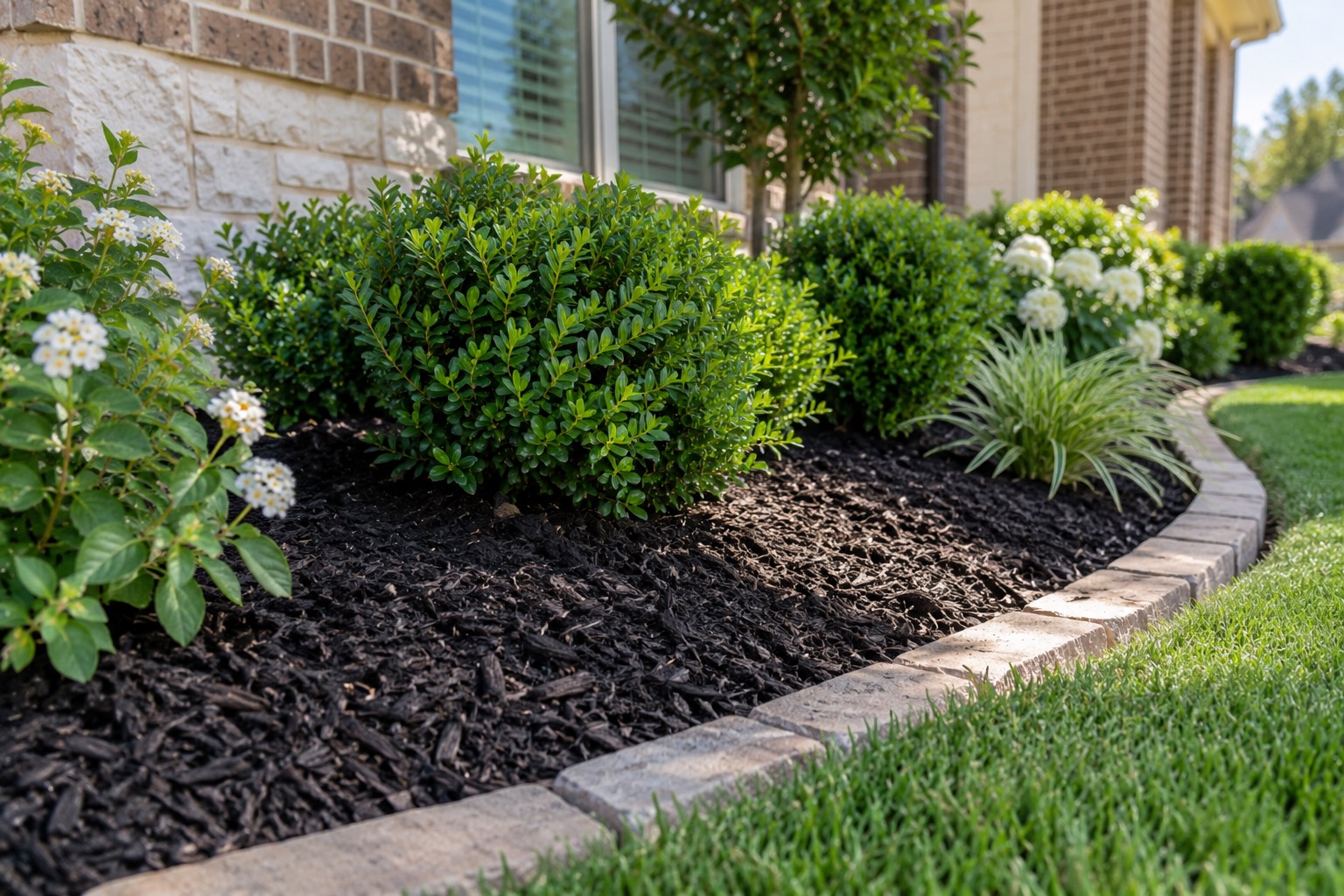
For beds and edges, a skipped visit shows up faster than it does on the lawn itself. Grass creeping over a walkway edge, or a bed that's gone one cycle without weeding, becomes visible sooner than an inch or two of extra grass height. This is part of why edging consistency tends to matter more than people expect.
If a visit does get missed for any reason, the practical fix is simple. Call or email us as soon as possible rather than waiting for the next scheduled date. Catching a gap early, especially during peak growing season, usually means a quick adjustment rather than a bigger cleanup down the line.
Does skipping a single mowing visit cause lasting damage?
Not usually — during peak growing season, a single skipped visit just means a taller lawn that gets mowed back to normal at the next visit. Two or more skipped visits in a row can require more time and care to fix, since cutting back significant overgrowth in one pass stresses the grass.
Does a skipped visit matter more in summer or winter?
Summer, by a significant margin. St. Augustine grows much faster during peak season, so a gap is far more noticeable than the same gap during winter, when growth slows down substantially and a missed visit often has little visible effect.
Will I be charged extra if my lawn gets overgrown from a missed visit?
It depends on the provider and how overgrown the lawn actually gets. Significant overgrowth from multiple missed visits in a row often does take longer to service, which some companies reflect in the price for that specific visit, separate from the regular recurring rate. At Blue Yard Club, we always confirm with you before charging anything extra.