Sod Installation vs. Reseeding: Which Is Right for Your Cypress Lawn?
September 24, 2026
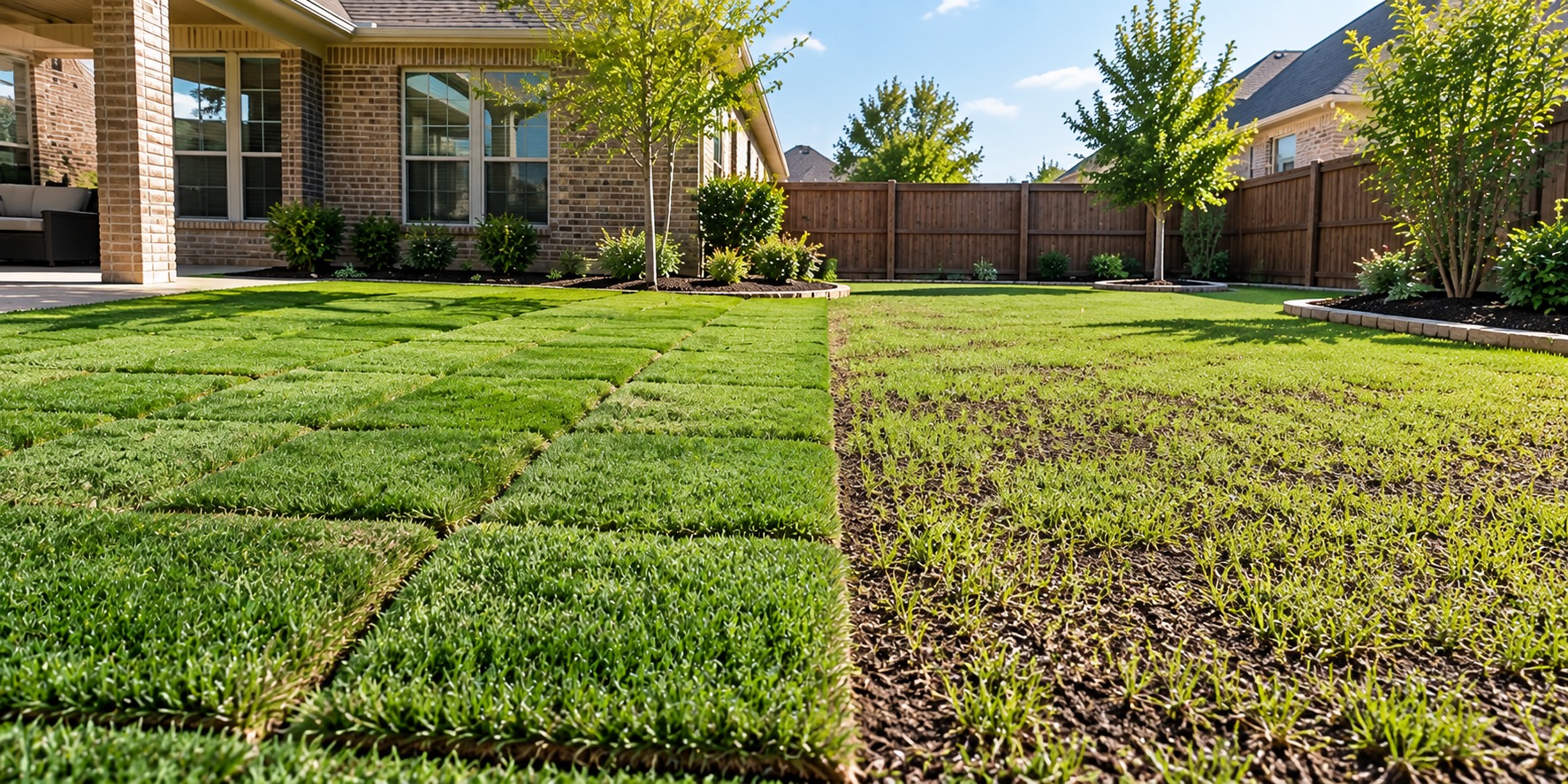
A thin or patchy lawn usually has two real fixes: sod installation or reseeding. Both get the grass back. They work in very different ways, on very different timelines, at very different price points. Picking the right one depends on how bad the damage is and how soon results are needed.
Sod is essentially instant grass. It arrives as pre-grown turf, already rooted in a thin layer of soil. It gets laid down like a carpet over prepared ground. Within a few weeks, once the roots knit into the soil underneath, it looks and functions like an established lawn. The tradeoff is cost. Sod is priced by the square foot. Materials alone can add up fast on a larger area, before labor is even factored in.
Reseeding works the opposite way. Grass seed gets spread over prepared soil. The new lawn grows in gradually over several weeks to a couple of months, depending on grass type and season. The upfront cost is much lower than sod, often by a wide margin. The tradeoff is time and vulnerability. A newly seeded area needs consistent watering and protection from foot traffic while it establishes. Results aren't guaranteed the way sod's are.
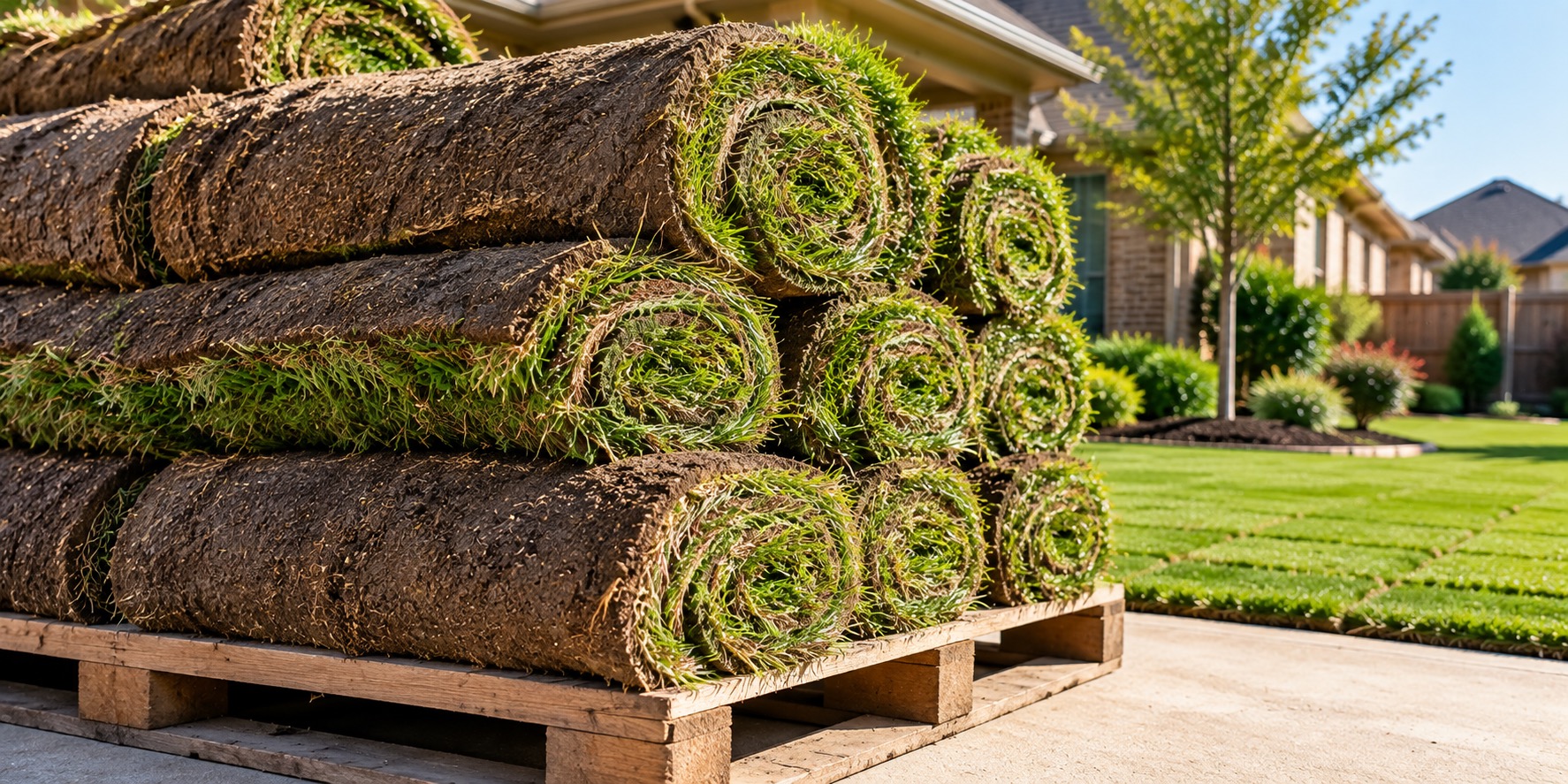
The size of the damaged area matters more than people expect. A few small bare patches are often a reasonable candidate for reseeding. The cost difference on a small area is modest, and the wait isn't a big deal. A large section of dead or thin lawn is where sod usually makes more sense. Reseeding that much area comes with real risk of uneven results, and the vulnerable period covers a lot more ground.
Timing affects both options, but reseeding is more sensitive to it. Grass seed needs the right soil temperature and moisture to germinate reliably. That narrows the realistic planting windows during the year. Sod, since it's already established grass, has more flexibility. It can generally be installed across a wider stretch of the year, as long as it gets consistent watering right after.
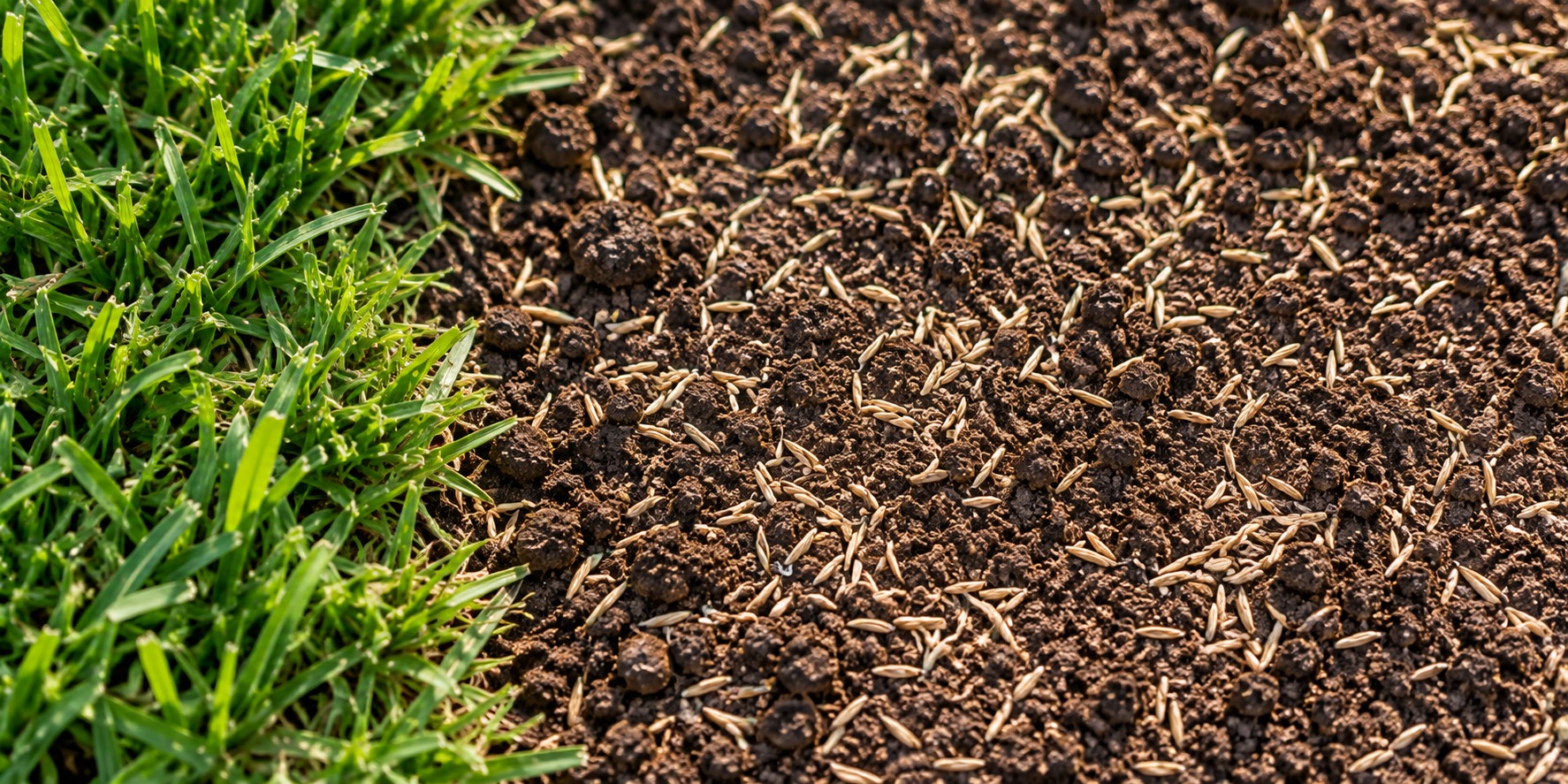
Neither option works well without proper site prep first. Both sod and reseeding need the existing area cleared of old dead grass and debris. The soil underneath needs to be loosened enough for new roots to take hold. Skipping this step is one of the most common reasons either approach fails, regardless of which one was chosen.
For most Cypress yards dealing with a genuinely damaged lawn, not just a few small spots, sod tends to be the more reliable choice. Reseeding remains a reasonable, lower-cost option specifically for smaller areas where a slower timeline isn't a real problem.
Is sod or reseeding better for a damaged lawn?
It depends on the size of the damaged area. Small, isolated patches are often fine with reseeding, since the cost is lower and the wait isn't significant. Larger damaged areas usually do better with sod, since it removes much of the uncertainty reseeding carries.
How long does it take for sod to look established?
Usually a few weeks for the roots to knit into the soil underneath and for it to function like a normal lawn, though it depends on the season and how consistently it's watered right after installation.
Does reseeding work at any time of year?
No. Grass seed needs specific soil temperature and moisture conditions to germinate reliably, which narrows the realistic planting windows. Sod has more flexibility, since it's already established grass rather than something that needs to grow from seed.