Weekly vs. Biweekly Mowing: Which Fits Your Budget?
September 26, 2026

Choosing between weekly and biweekly mowing usually comes down to two things: how fast the grass grows, and what fits the budget. The two schedules exist for a real reason. Picking the right one for a given season matters more than most people expect.
The per-visit rate is actually different between the two schedules. Biweekly costs more per visit than weekly, not the same amount. That's because grass left for two weeks is taller by the time a crew arrives, and a taller lawn takes longer to mow. The real budget comparison isn't the per-visit rate alone — it's how that higher rate and the lower visit count net out over a month.
During Houston's warm-weather months, St. Augustine grass grows fast enough that weekly visits are usually the right call for appearance. A biweekly schedule during these months often means the crew arrives to grass that's grown considerably. That can mean a longer mow each time, and a lawn that looks overgrown for part of each two-week stretch.

Once growth slows down during Houston's cooler months, biweekly service becomes a more practical choice for a lot of customers. Grass cut every two weeks during this stretch often looks nearly identical to grass cut weekly, since there's much less new growth to remove either way. Weekly visits during slow growth months still work — they just accomplish less than they do the rest of the year.
Here's what that looks like in dollars. On a lot under 5,000 sq ft, weekly mowing is currently $40 per visit. Assuming an average of about 4.33 weeks per month (52 weeks divided by 12 months), that works out to about $173 per month. Biweekly mowing on the same lot is currently $50 per visit — more per visit, since each one takes longer — but at half as many visits, it comes out to about $108 per month. Biweekly does cost less overall, about $65 less per month in this example. It isn't half the price of weekly, though, the way a flat per-visit rate would suggest. See our pricing page for the full table across lot sizes and frequencies.
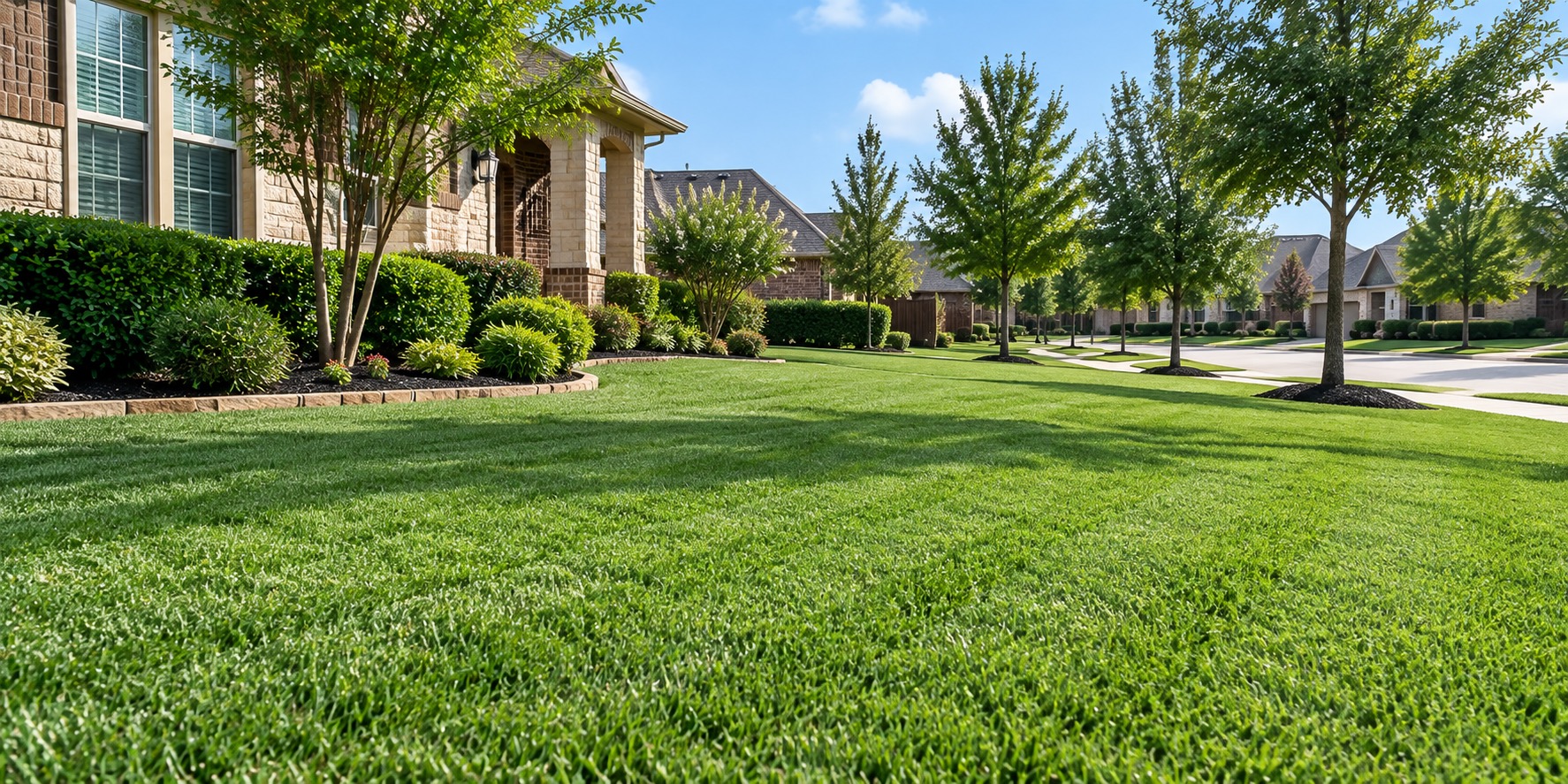
The tradeoff worth being honest about: biweekly service during peak summer growth can mean the lawn looks noticeably longer for part of each two-week cycle. Anyone who cares a lot about how the lawn looks at all times should probably stick with weekly during the growing season. Anyone more focused on a lower monthly cost has a real, workable option in biweekly, even during faster-growing months — just with that appearance tradeoff in mind.
There's no wrong answer here. Both schedules genuinely keep a lawn maintained over time. The right choice depends on cost versus appearance — how much month-to-month cost matters versus how the lawn looks during the two weeks between biweekly visits.
Does biweekly mowing cost less than weekly?
Yes, but not half as much. On a lot under 5,000 sq ft, weekly currently comes out to about $173 a month and biweekly to about $108 a month — roughly 62% of the weekly cost, not 50%. The gap is smaller than a flat per-visit rate would suggest, since biweekly's per-visit rate is itself higher.
Does the per-visit rate change depending on the time of year?
No. Your rate is based on your lot size and the frequency you choose, not the season. What changes with the season is only how much the grass has grown by the time the crew arrives.
Will my lawn look bad on a biweekly schedule during summer?
It can look noticeably longer for part of each two-week cycle compared to weekly service, since St. Augustine grows quickly during peak season. It's a real tradeoff worth weighing against the lower cost.